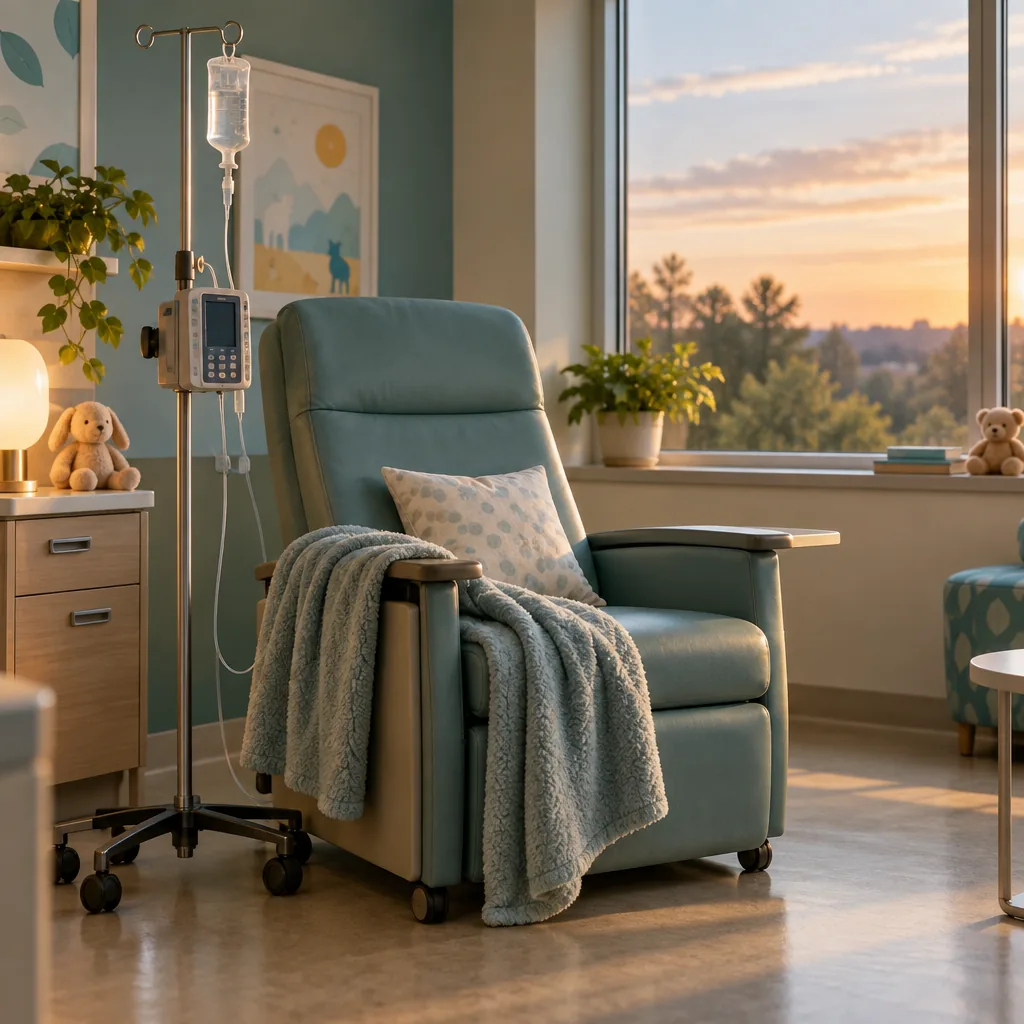
About pediatric oncology care
Multidisciplinary cancer care for children — leukemias, brain tumors, neuroblastoma, sarcomas, and lymphomas — supported by Children's Oncology Group (COG) clinical trial access, dedicated pediatric infusion centers, and bone marrow transplant programs. Choosing the right program for pediatric oncology care is one of the more consequential decisions a family can make. Pediatric subspecialties tend to concentrate at academic medical centers and freestanding children's hospitals because the underlying conditions — congenital, genetic, developmental — require teams that see enough cases each year to maintain expertise. National data consistently show that case volume correlates with outcomes, particularly for surgical and procedural specialties. The implication for families is straightforward: when the diagnosis is rare or the procedure is complex, geography matters less than the program's depth and experience.
Conditions commonly treated
Programs in pediatric oncology are most often consulted for acute lymphoblastic leukemia, acute myeloid leukemia, neuroblastoma, Wilms tumor, osteosarcoma, Ewing sarcoma, brain tumors, lymphoma. Many of these conditions are managed across multiple subspecialties — for example, complex pediatric oncology cases routinely involve surgical oncology, anesthesia, infectious disease, and rehabilitation alongside the primary oncology team — so the depth of the broader pediatric institution matters as much as the named program itself.
The clinical team
A well-staffed pediatric oncology program typically draws on pediatric hematologist-oncologists, pediatric surgical oncologists, radiation oncologists, BMT specialists, child psychologists. When you call any of the facilities listed below, ask which of these roles are filled by board-certified pediatric subspecialists who work full-time on children's cases versus visiting consultants who divide time between adult and pediatric work — the answer is often a useful filter.
Questions worth asking before a referral
When you are weighing programs in pediatric oncology, a few practical questions tend to surface again and again. How many cases of your child's condition does the program treat each year? What does the multidisciplinary team look like, and which specialists collaborate on every case? Is there an inpatient pediatric unit and a pediatric intensive care unit on site, or would a transfer be required if your child's condition changed? What outcomes does the program publish, and how does it benchmark against national registries? Most major children's hospitals will answer these questions in writing if you ask, and any reluctance to share that information is itself a signal worth weighing.
Travel and logistics also matter — a slightly closer program with the right team can be the right answer, and the country's flagship destination programs in pediatric oncology are not always the right answer for routine care. Insurance networks, school schedules, the availability of Ronald McDonald-style family housing near major medical centers, and access to telemedicine follow-up are all part of the real-world calculus. Use the state breakdown below to balance distance against depth, and remember that for ongoing chronic-care relationships you will be returning to the same building many times — comfort with the team and the city around it eventually counts as much as the initial reputation that brought you there.
Dedicated pediatric institutions and high-rated programs flagged for pediatric oncology care.
103 facilities across 36 states. Tap any state heading for the full state directory.